Introduction
I have watched agents try to book a flight by finding a button, clicking it, and hoping. The error rate is brutal. 15–20% per action. Five to ten seconds per step. Multiply that across a multi-step workflow and you have a product nobody ships.
Google previewed WebMCP at I/O 2026 to fix the execution problem. Websites expose structured tools directly through a new browser API. Agents call them by name. The Tool Contract is the new sitemap.xml.
Before and after WebMCP
| Approach | Latency | Error rate |
|---|---|---|
| DOM + OCR + screenshots | 5–10 sec per action | 15–20% per action |
| WebMCP structured tool call | 1–2 sec per action | Near zero |
Example tool call: book_flight with from AMD, to DXB. No guessing which element is the submit button.
Two APIs
- Declarative API: standard actions defined in HTML forms. Good for checkout flows, search, simple mutations.
- Imperative API: complex JavaScript-driven interactions. Good for dynamic UIs that do not map cleanly to forms.
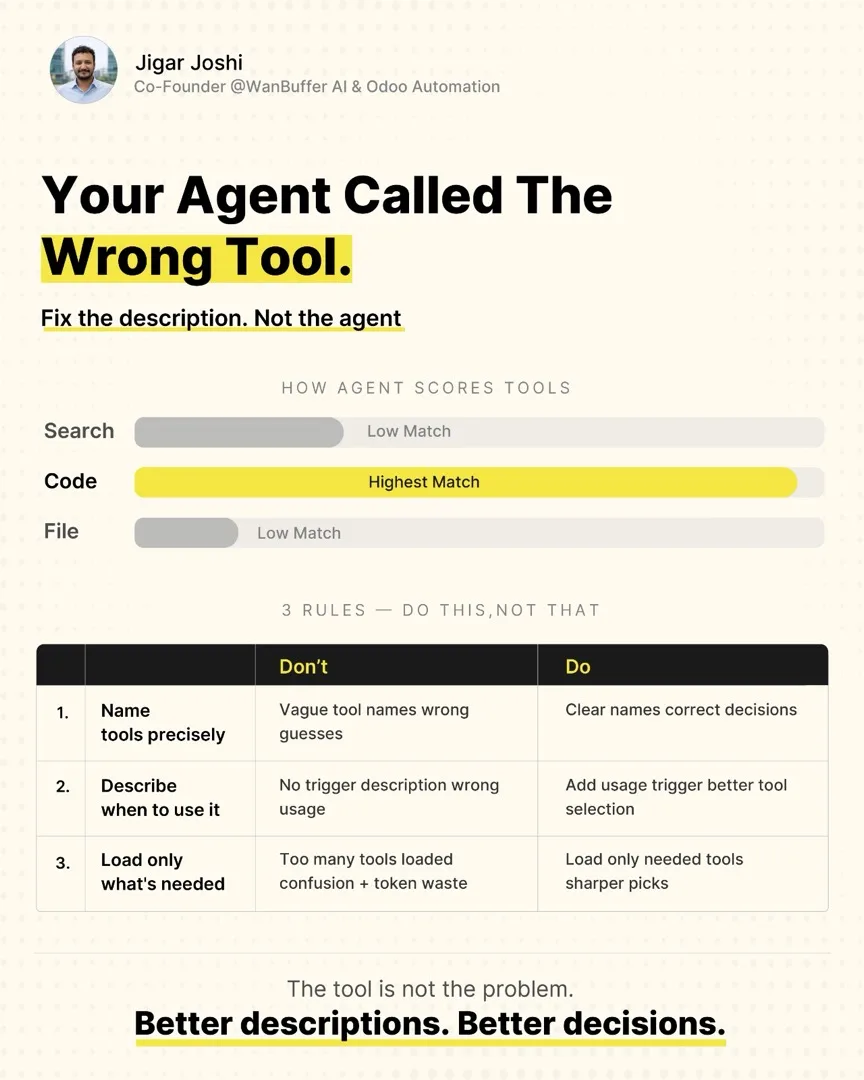
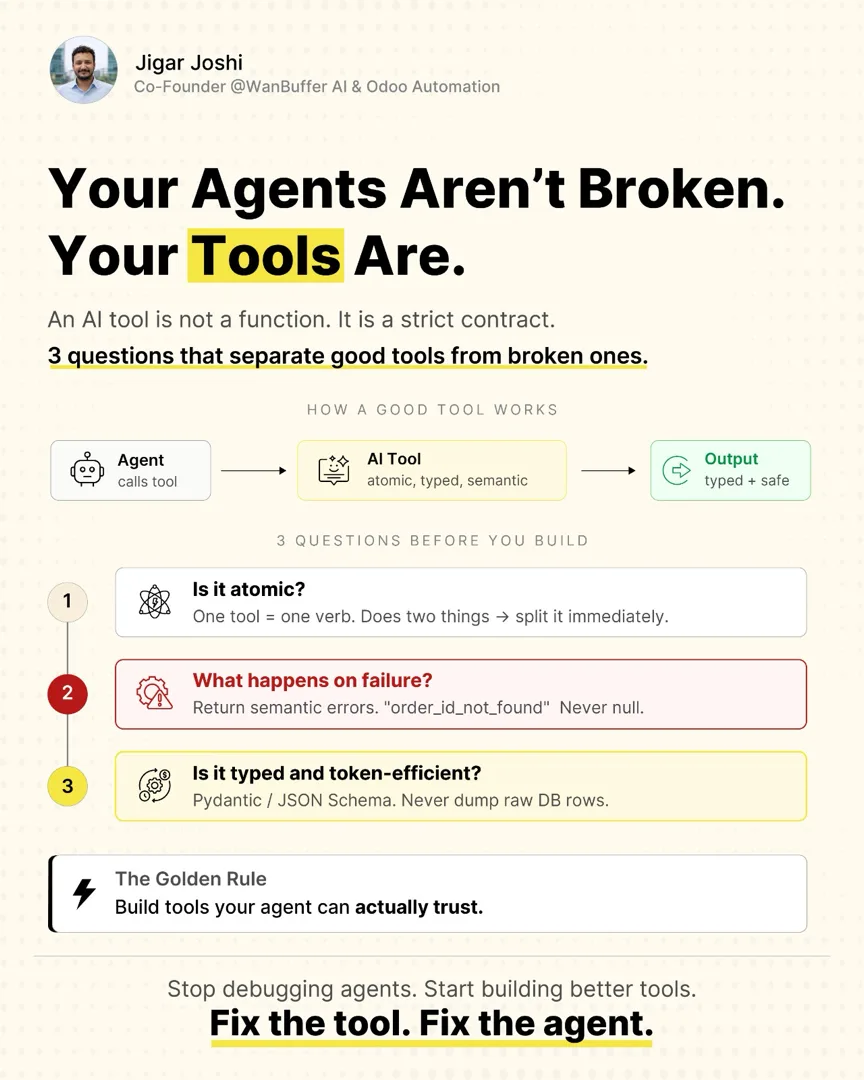
This connects to the same tool contract thinking I describe in your agents are not broken, your tools are. WebMCP is the web-native version of atomic, typed, honest tools.
Who is adopting early
Origin trial starts in Chrome 149. Early interest from Booking.com, Expedia, Instacart, Intuit, Shopify, and Redfin. If you own a website, agent-readiness is now a real category alongside mobile-responsive and SEO.
For MCP server design on the backend, see the MCP topic hub. Stateless header security is a separate concern for remote MCP gateways in production.
Conclusion
The web is evolving. Agents stopped guessing. They started calling tools directly. Publish your Tool Contract before your competitor does.