Introduction
Most AI agents forget the moment the session ends. The context window is not memory. It is a whiteboard that gets erased when you leave the room.
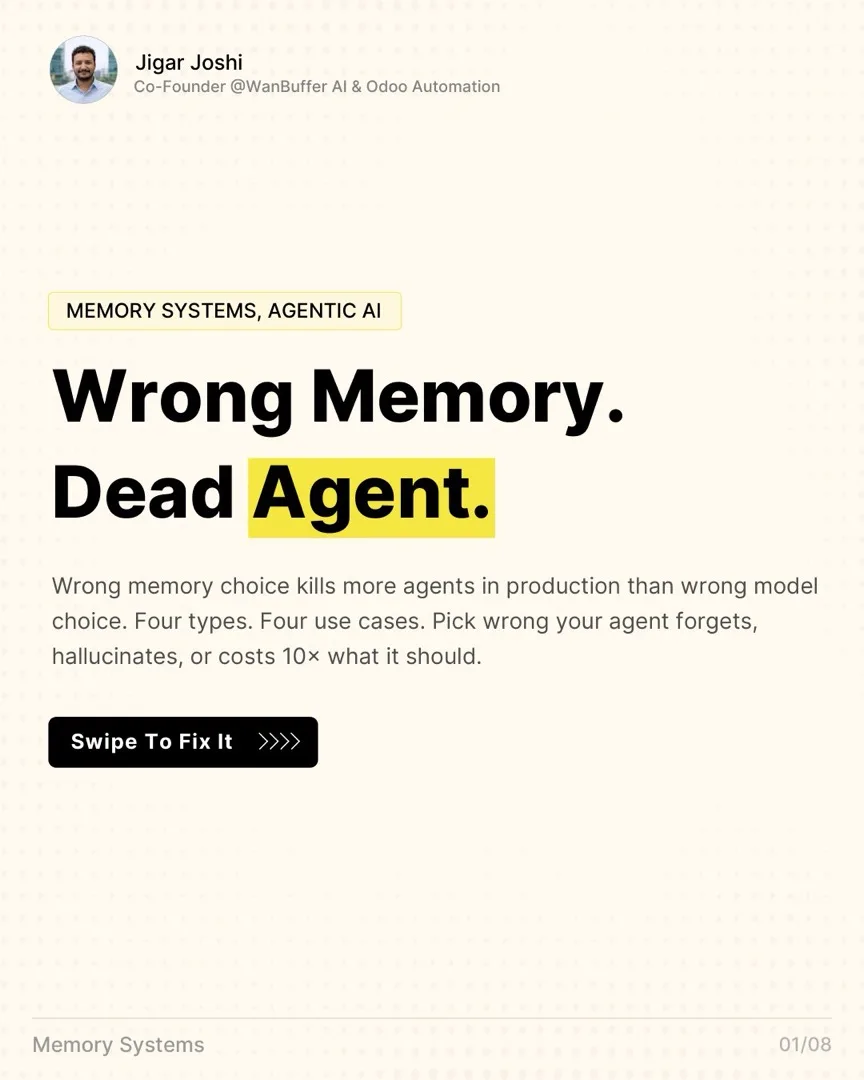
This note covers three paradigms. For the four-type operational decision rule (context, RAG, CAG, database), see wrong memory, dead agent. They complement each other: paradigms here, implementation choices there.
Type 1: Implicit memory
Lives inside the weights. Baked in during training. No retrieval needed. Use for general facts and stable world knowledge the model already knows.
You cannot update implicit memory without fine-tuning. Do not rely on it for company-specific facts that change weekly.
Type 2: Explicit memory
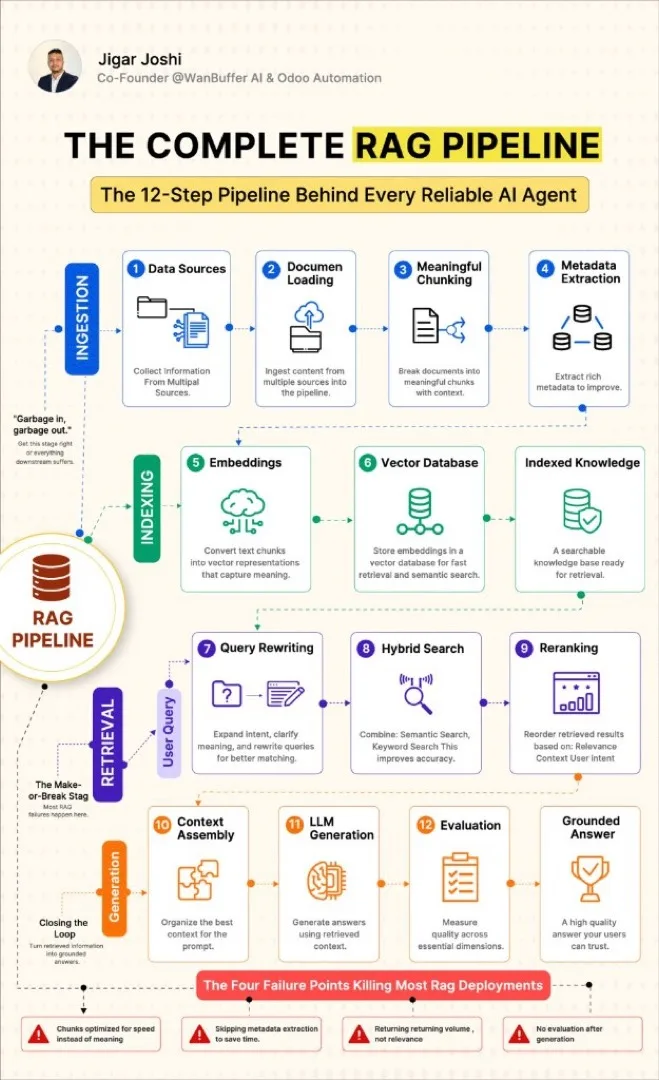
External store queryable anytime. RAG, vector DBs, document indexes. Use for dynamic data, user docs, and searchable knowledge bases.
The complete RAG pipeline is how you build explicit memory that actually works in production. Twelve steps, not a vector DB plus a prompt.
Type 3: Agentic memory
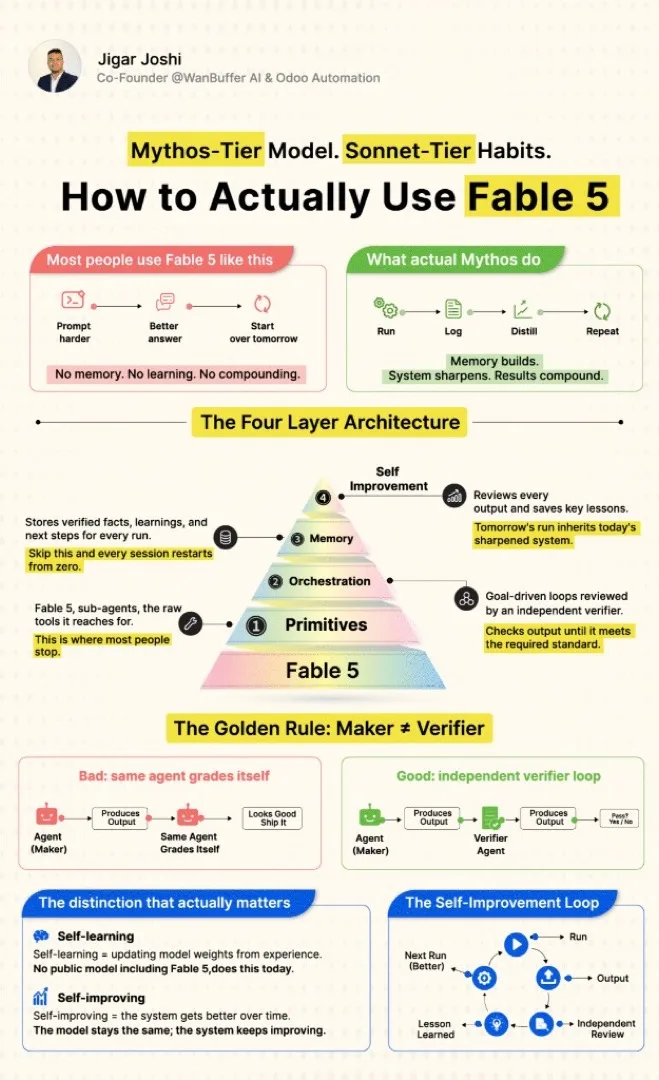
Persists across tasks and sessions. Long-term planning, personalisation, team agents that remember what happened last week. This is the layer most teams skip.
Agentic memory often combines a database for structured facts with summarised session history. It is not just "bigger context." It is state that outlives a single conversation.
Conclusion
Give your agent a brain, not just a window. Implicit for general knowledge. Explicit for searchable corpora. Agentic for anything that must survive the session boundary.