MCP remote-server registry crosses 500 listed servers — a curated production-ready tier emerges
May 12, 2026 · via modelcontextprotocol.io
MCP is the protocol that turns an LLM into an agent. It defines how a model discovers tools, calls them, streams results back, and authenticates against your systems. With 1.0 ratified and a remote-server registry of 500+, this is no longer an experimental layer.
Before MCP, every team invented their own tool-call protocol. After MCP, you write a server once and any compliant model client can use it — Claude, GPT, local models. The wins compound: one shared auth profile, one discovery handshake, one schema format.
Build an MCP server when you have a domain-specific tool that needs to be reused across agents — ticketing, billing, internal search. Use a public server when the integration already exists and is curated. Skip MCP entirely for one-off scripts; the protocol overhead is real if you only ever call one tool once.
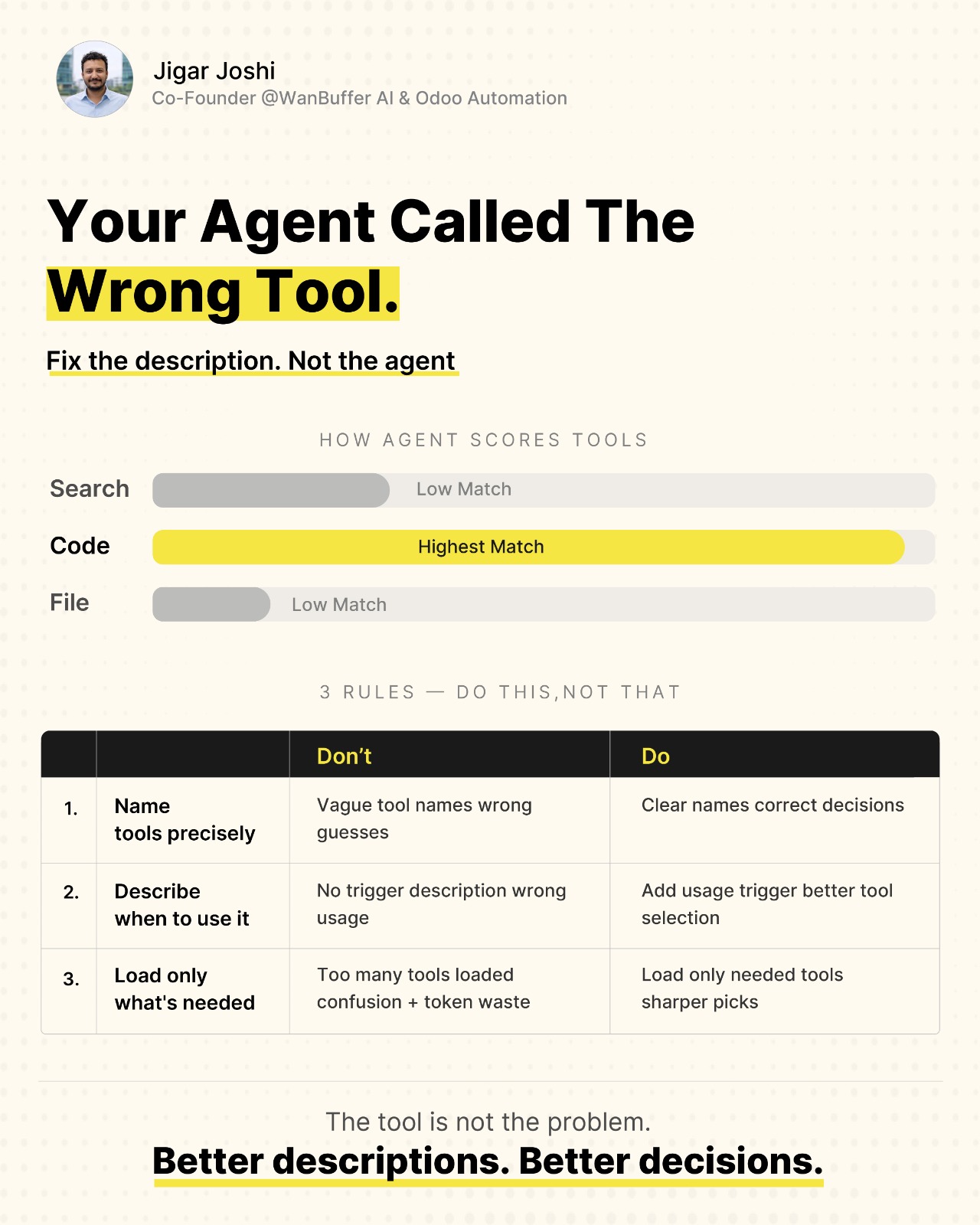
Every registered tool adds ~8–12 KB of schema overhead to every API call, plus selection noise that hurts accuracy. Audit your registry: anything not called in the last 30 days, drop from the default load.
The protocol stabilised. Most working servers will keep working. Three places the new spec actually requires changes — auth profile, server registry, streaming-response semantics — with diffs from a real migration.
Smallest useful server. Hardest one to mess up. Teaches the protocol without distracting domain logic. The 60-line server we hand to teams during training.
The pages below are the buyer-focused, conversion-grade versions of this topic — deliverables, methodology, ROI, security considerations, and CTAs to scope a real engagement.
Designed, built, and handed off — production agentic systems for enterprise teams.
Explore the Agentic AI Consulting solutionCustom Model Context Protocol servers that turn your systems into agent tools.
Explore the MCP Integration solutionEight-day corporate training programs that take dev teams from AI-assisted coding to production agentic systems.
Explore the AI Systems Engineering Training solutionReference architectures for organisations standing up an AI platform — not one agent, but the foundation for many.
Explore the Enterprise AI Architecture solutionOperational agents that replace manual workflows — triage, support, ERP integration, content pipelines.
Explore the AI Automation for Enterprises solutionTwo tracks — one for developers who build agents, one for business teams who use them. Customised to your stack, hands-on from session 1.
See Model Context Protocol (MCP) training tracksArchitecture design, production implementation on Claude API and MCP, full observability, and a real handoff. Working agents, not slides.
Explore Model Context Protocol (MCP) consulting