Introduction
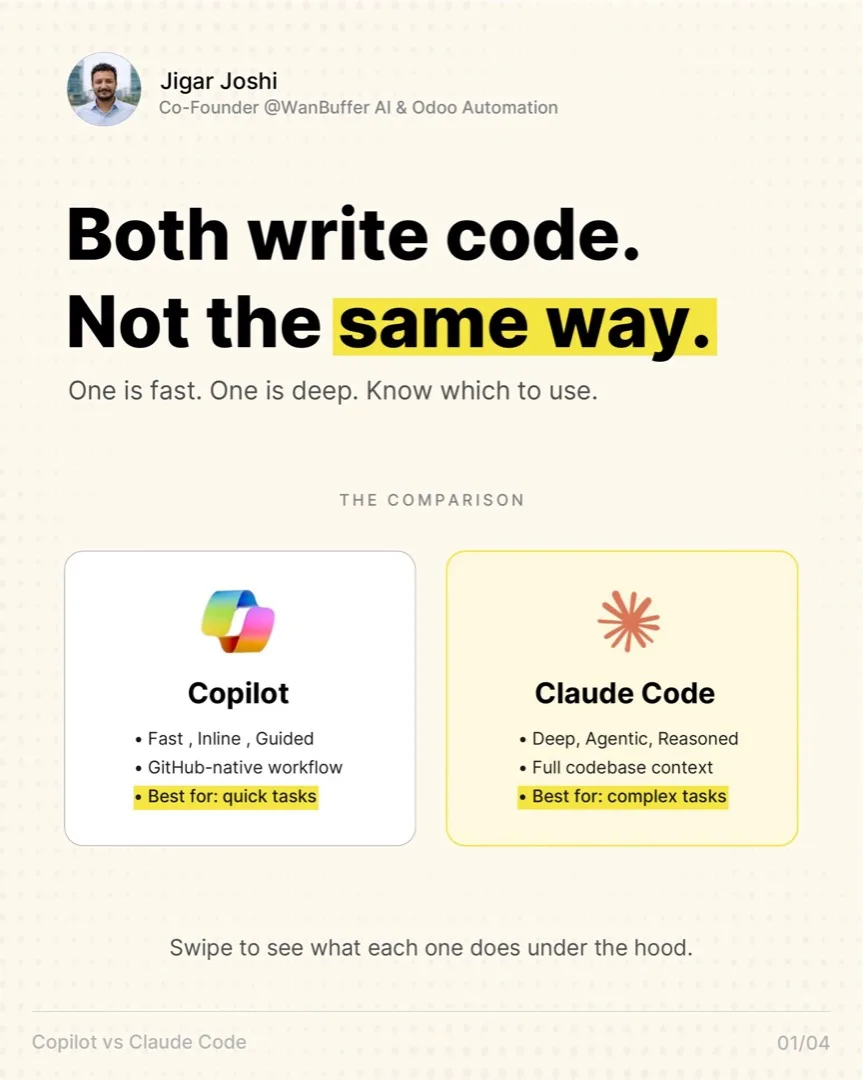
Most teams I talk to run all three tools on the same task and wonder why imports break and auth gets touched. The fix is not picking one winner. It is respecting boundaries.
For the Copilot vs Claude Code scope decision on a single task, see Copilot vs Claude Code. This note is the three-tool workflow that uses both plus Cursor.
One tool, one job
Tool boundaries
| Tool | Layer | Use when | Stop when |
|---|---|---|---|
| Cursor | Speed | Scaffolding, exploration | Code goes to prod |
| Claude Code | Depth | Multi-file prod changes | Task is simple enough for Cursor |
| Copilot | Quality | Every PR review | Complex logic needs deep reasoning |
The handoff workflow
- 01Cursor draftsFast scaffold. No production pressure. Explore API shapes and file layout.
- 02Claude Code shipsFull context. Clean output. No broken imports. Production-ready code.
- 03Copilot reviewsPR raised. Security scan, code quality, test coverage. Flag auth changes for manual review.
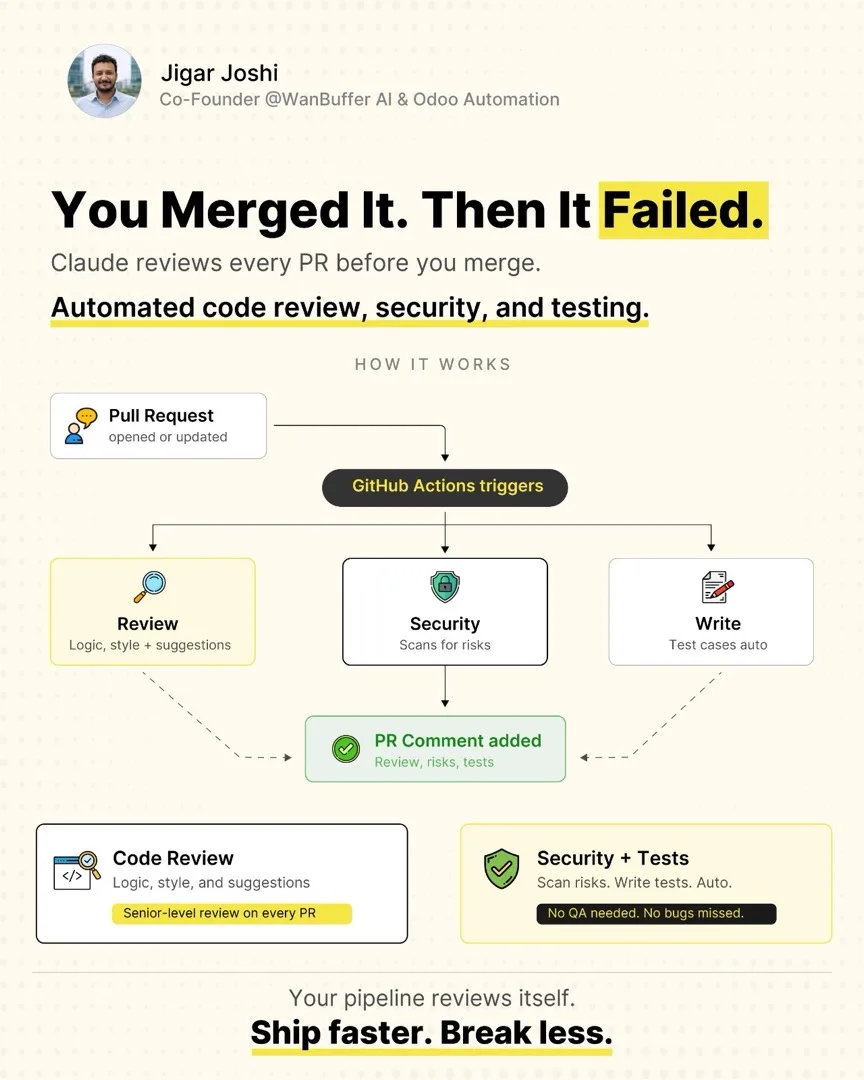
- 04MergeApproved and merged. The pipeline in you merged it, then it failed should catch what Copilot misses.
Config files that hold boundaries
- .cursorrules (Scope): style guide and what NOT to touch. Never modify auth, payments, migrations.
- copilot-instructions.md (Coverage): security rules, review depth, test thresholds.
- CLAUDE.md (Depth): architecture rules, output limits, reasoning depth. Always explain the change, never skip tests.
Agent autonomy still needs governance. Read governing agent autonomy with auto-review for the pre-push review layer that sits on top of this workflow.
Conclusion
Three tools. One mission. Ship faster. Break nothing. Write the boundaries down before production pressure erases them from memory.